What separates a safe, predictable Botox appointment from a risky one? A sharp pre-screening form that asks the right questions, then guides a thoughtful conversation. This article unpacks the questions that matter, why they matter, and how to structure your Botox pre-screening so you protect your patients, your license, and your brand.
Why a pre-screening form is your best clinical tool
I have seen beautiful results derailed by a rushed intake: a missed migraine history that changes dosing, an undisclosed antibiotic that raises adverse event risk, or a patient who didn’t understand that “tox results” need maintenance. The pre-screen sets the tone, filters out bad candidates, and helps you build a tailored treatment plan. It is also your first line of risk management and a key piece of your medical documentation. Done well, it cuts “surprises” in the chair to near zero.
A well-constructed Botox patient intake form is not just a bureaucratic step. It is a clinical instrument that clarifies anatomy strategy, flags contraindications, anchors informed consent, and standardizes charting. It also supports downstream operations such as Botox record keeping, photography workflow, and even loyalty programs or financing discussions.
What a strong Botox pre-screening form must cover
The flow of your form matters. Good forms feel natural to patients while collecting granular data for clinicians. Here is the backbone I recommend, honed in busy clinics and workshops.
Identity, contact, and administrative essentials
Begin with the basics, but ask for what you truly use. Full legal name, date of birth, preferred name for chairside interaction, and two contact methods. If you offer online booking, telehealth, or a virtual consultation, align identifiers exactly as they appear in your EMR and CRM. If your clinic uses a Botox loyalty program or memberships, confirm the patient’s membership ID so eligibility and rewards sync later without manual fixes. This small administrative clarity prevents headaches with scheduling software, automation tools, and text reminders.
Medical history that actually informs dosing and safety
Think of this as a decision tree, not a checkbox scavenger hunt. The goal is to identify contraindications and relative cautions.
- Neuromuscular conditions. Ask directly about myasthenia gravis, Lambert-Eaton, ALS, peripheral neuropathies, or prior complications with anesthesia or botulinum products. These can amplify toxin effect or recovery time. Medications and supplements. Anticoagulants, aspirin, fish oil, high-dose vitamin E, ginkgo, SSRIs, muscle relaxants, aminoglycoside antibiotics, and recent steroids all influence bruising, metabolism, or adverse events. Many patients forget herbal products unless prompted. Recent illness, infection, or dental work. Active infections near injection sites, sinus infections, or recent dental procedures may increase inflammation risk. Pregnancy and breastfeeding. Maintain a clear, written clinic stance aligned with your state regulations and liability insurance. Most practices avoid elective cosmetic Botox in pregnancy or lactation. Autoimmune disease and prior immunotherapy. Not a strict no in every case, but you need a nuanced risk discussion and sometimes a note from the patient’s physician. History of keloids or abnormal scarring. Relevant for needling or adjunctive procedures like microinfusion. Migraine treatment history. If the patient receives therapeutic Botox, coordinate units and timelines. Mixing aesthetic and therapeutic dosing without documentation is a charting trap. Previous Botox or filler experiences. Note product, units, areas, dates, and outcomes. This detail shapes expectations and technique. Also document any adverse reactions or “no take” episodes. Allergies. Especially to botulinum toxin, human albumin, lidocaine, preservatives, or topical antiseptics.
In the chair, I translate these answers into anatomy choices, dilution, and post-care instructions. A patient on fish oil and SSRIs who bruises easily gets different pre-care and needle selection than a patient with none of those risks.
Aesthetic goals that prevent buyer’s remorse
The most preventable complaint after a Botox session is mismatch between the patient’s mental picture and what is achievable. The pre-screen is the time to align.
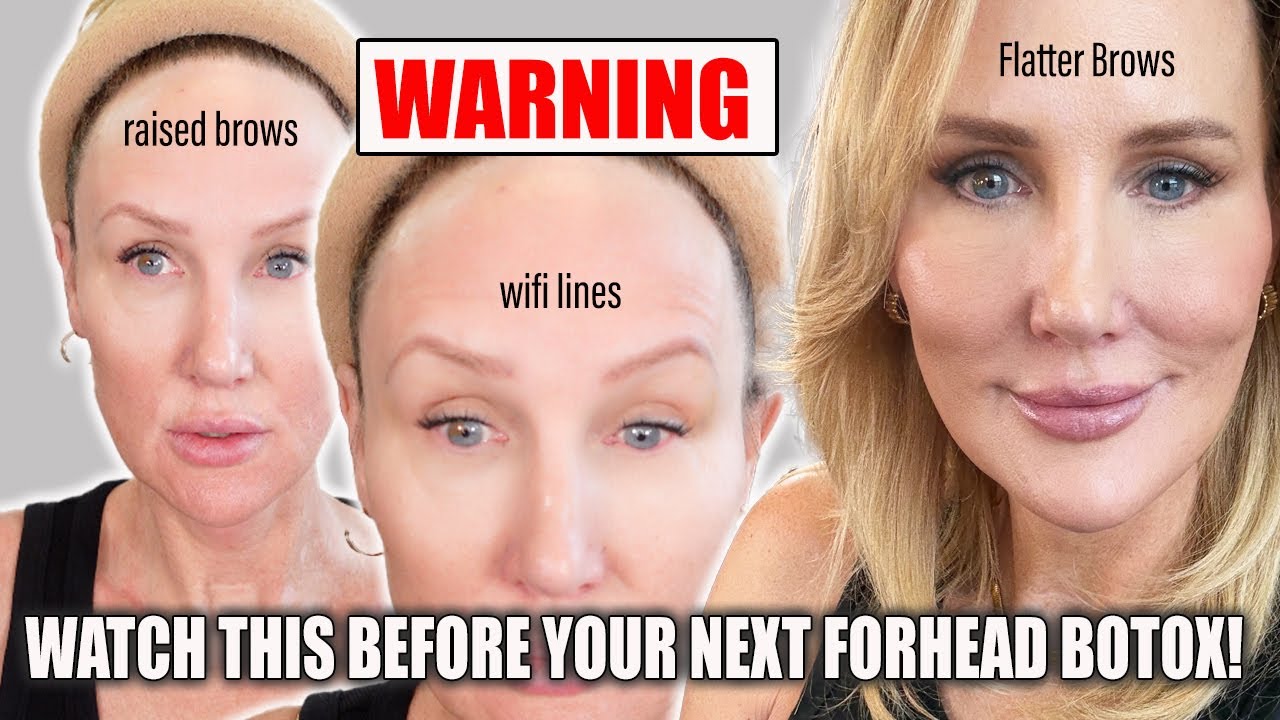
Ask specific, photo-anchored questions. Which lines bother you most, and when do you notice them? Do you want reduced movement or a glassy still forehead? What is your tolerance for a brow “lifted” look versus a softer arch? What happens to your brows when you talk, laugh, or concentrate? Do you accept a trade-off between natural expressiveness and maximal smoothing?
Use a simple rating scale of movement preference in key zones: frontalis, glabella, crow’s feet, DAO, masseter, mentalis. If you keep a Botox photography guide and lighting setup standard, take consistent pre-treatment photos now. Good photos are as much a consent tool as a marketing tool, and they avoid “my lines were never this deep” debates. Make sure the patient signs a photo consent that is separate from clinical consent if you plan any social media usage.
Anatomy assessment and functional factors
An experienced injector reads faces like maps. The pre-screen data points inform a focused physical assessment. Document baseline asymmetries, brow ptosis, eyelid hooding, forehead height, smile dynamics, dimpled chin baseline, gummy smile display, and dental occlusion. For masseter work, ask about chewing habits, clenching, and whether the patient uses a night guard. For platysmal bands, document neck skin quality and the presence of submental fat, which might call for adjuncts. Chart these observations in your Botox treatment notes, not just a free-text field. Standardized charting supports consistency and medicolegal defense.
Lifestyle and timing realities
Botox has a rhythm: onset in 2 to 5 days, peak at 10 to 14, tapering by 10 to 14 weeks for most aesthetic areas. Your pre-screen should ask about upcoming events that influence timing. Any photo-heavy events in the https://botoxgreensboronc.blogspot.com/2025/10/a-detailed-guide-to-finding-botox.html next two weeks? Travel, sun exposure, or extended workouts that could complicate aftercare? Are they willing to avoid facials, aggressive exfoliation, or a Botox peel or facial for several days after?
This is also the moment to discuss budget and maintenance cadence. Some clinics share Botox packages or bundle deals that pair toxin with medical-grade skincare or light energy devices. Clarify whether the patient wants a minimal entry or a full plan with loyalty rewards and a follow up sequence. Patients appreciate transparency, and your scheduling software and CRM will thank you.
The informed consent conversation begins on the form
A Botox consent form is not wallpaper. It is a script for the conversation that follows. The pre-screen primes that discussion by surfacing concerns and making sure patients understand trade-offs. Include a section that previews risks in plain language: bruising, headache, asymmetry, eyelid or brow ptosis, smile changes, temporary chewing fatigue after masseter treatment, or spocking in the forehead if balance is off. Discuss duration ranges rather than absolutes. Clarify the difference between expected transient effects and true complications that trigger your emergency procedure protocol.
If you use digital consent or telehealth for pre-visit education, embed short, clinic-produced videos that demonstrate facial movement goals and set realistic expectations. Link to your Botox FAQs page for deeper reading, then confirm comprehension on the form with simple, scenario-based questions. Patients retain more when you ask them to reflect: If one brow sits higher at baseline, full symmetry is not guaranteed. Are you comfortable with that?
The section most clinics rush: contraindications and cautions with examples
If I had to choose the single most important section of the pre-screen, it is the contraindications area paired with practical examples. Patients rarely realize that the antibiotic they started yesterday, or the sinus infection they are powering through, matters.
Consider wording that invites honesty without judgment. For example: Some medications and conditions change how Botox behaves. This does not always mean you cannot be treated today, but it may change your plan. Please tell us if any of the following apply.
Then list the high-yield categories and give short examples. Aminoglycosides like gentamicin. Muscle relaxants like cyclobenzaprine. Blood thinners or frequent ibuprofen use. Neurologic disorders with muscle weakness. Pregnancy or nursing. Active cold sores or facial infections. Recent vaccines may not be a hard stop for cosmetic toxin, but they can prompt rescheduling for clarity.
When a patient selects any of these categories, your form should trigger a conditional follow-up question rather than overwhelm everyone with a thousand checkboxes. Modern systems support this logic and reduce form fatigue.
Aligning pre-screen data with treatment planning and documentation
A good Botox treatment plan begins with goals and ends with units and maps. The pre-screen bridges the two. Translate the patient’s movement tolerance and lifestyle into unit ranges and dilution strategy, and document it as a plan, not just after-the-fact notes. For example, Glabella 15 to 20 units, target softer frown not total freeze, avoid medial brow heaviness. Frontalis 6 to 12 units, dynamic forehead, low set brows, inject high to protect brow support. Crow’s feet 6 to 10 per side, high smile activation, counsel on warmth in the eyes trade-off.
Your Botox charting should show injection sites, batch number, lot, expiration, dilution, total units, and any immediate response. Keep it consistent. If you review Botox injection techniques in a team training, use anonymized charts to reinforce best practices.
Why photos belong in the pre-screen workflow
Photography is integral, not optional. A Botox photography guide with a fixed lighting setup standardizes your before and afters. Frontal, oblique, and lateral views in neutral and in expression are the minimum. In the pre-screen phase, take and review these photos with the patient. Use them to mark asymmetry and to agree on the definition of success. If the patient chooses a natural movement outcome, capture an example so your future self has a reference.
If you hope to showcase results on social media, add a separate photo consent with granular options: clinic-only educational use, website gallery, Instagram feed, or educational YouTube tutorials about injection planning. Avoid pressure. Authentic consent makes your brand reputation stronger, and it prevents awkward requests to pull posts later.
Handling the surge of “Botox without needles” questions
Pre-screen forms today often attract queries about botox alternatives, and phrases like botox cream, serum, gel, mask, wand, pen, or even botox DIY tools. Your form can tackle expectations with a simple education note: Botulinum toxin requires intramuscular or intradermal injection to work. Topical “botox” products are marketing language. Retinoids, peptides, microcurrent, and energy devices can complement or delay injections, but they do not paralyze muscles. Offer a short comparison option right on the form for patients considering botox vs natural methods, which helps your consultation stay focused.
For patients skittish about needles, consider including checkboxes about comfort preferences. Would they like a numbing option, ice, distraction, or a stress-relief protocol? If your clinic offers alternatives like microcurrent, neuromodulation facials, or light energy treatments as part of a Botox facial plan, present them as adjuncts rather than substitutes. It keeps your brand honest.
Payment transparency belongs in pre-screening
Money questions derail trust when handled late. Your pre-screen can gently ask how the patient prefers to manage cost. If you provide a botox payment plan, financing, or memberships that include toxin allowances, give a simple explainer and a place for the patient to request details. Be clear that cosmetic Botox is generally not covered by insurance, while therapeutic indications may be, and that you do not bill cosmetic toxin to medical insurance. Patients appreciate directness, and it reduces back-and-forth with your front desk.
Legal guardrails and state-specific considerations
Botox legal guidelines, state regulations, and scope of practice rules vary. Your pre-screen must reflect your state’s requirements, your supervising physician model if applicable, and your liability insurance terms. Several states require a medical exam or a telehealth evaluation by a licensed clinician before cosmetic neurotoxin administration. Your form should capture the clinician of record and whether the visit was in person or via telehealth, plus time stamps.
Ensure your malpractice prevention efforts appear in the form: batch documentation, allergy warnings, post-care instructions acknowledgment, and emergency contact procedures. Build your botox risk management into the patient’s understanding from the start. If your protocol includes a detailed complication protocol for ptosis or vascular concerns related to filler in combo appointments, reference it in your consent and have a separate antidote guide for hyaluronidase on file. While hyaluronidase does not reverse toxin, its inclusion in emergency kits for filler is a whole-office safety habit. Patients sense when a clinic takes safety seriously.
When Botox is part of a combo plan
Many patients request a botox and filler combo. The pre-screen should ask whether same-day filler is planned, which areas, and whether the patient has had previous filler that could impact anatomy. Some clinics stage treatments to monitor changes cleanly, while others perform both on the same day. Either approach is valid if documented thoughtfully. Note unit estimates and product plans up front. It helps with consent detail, inventory, and scheduling. If you plan energy-based treatments like a gentle laser or light therapy in the same program, the form should capture any photosensitivity, isotretinoin use, or recent peels.
Training, team alignment, and consistent patient education
Clinics that scale sustainably invest in Botox training and continuing education for all injectors, not just a single star clinician. Your pre-screening form benefits from that culture. Document the assessment in a standardized way so a colleague can read the chart and pick up the plan without re-inventing it. If you run a botox certification course internally or send staff to external botox classes, use those learnings to refine the questions that matter in your form. Add pearls to the intake that reflect your injector course focus, like tracking frontalis insertions in high-arched brows or identifying hyperactive DAO patterns before you chase a downturned lip with filler.
For beginners joining your team, a structured form doubles as a teaching tool. It reinforces anatomy training and supports safe injection techniques. If you practice with kits or an injection simulator during onboarding, mirror those maps in your documentation so habit and charting match.
The pre-screen’s role in marketing that respects patients
Good marketing begins with good listening. The questions you ask on a pre-screen signal your clinic’s values. If you ask about social media preferences, it tells patients you respect their privacy and choice. If you offer a brief section on how they found you, include options like Google reviews, local SEO search, Instagram, TikTok trends, YouTube tutorials, or referral. This feeds your botox clinic marketing and botox content marketing without interrogating the patient in the chair.
When you publish educational content, use insights from common pre-screen questions. If many patients ask about a “botox pen treatment” or a “botox machine,” create a blog topic or short video that explains what tools are real and what belongs in the at-home or DIY myth category. Align your meta description and SEO keywords with the terms patients use on the form. Then connect the dots with a call to action that invites a virtual consultation or online evaluation.
Data hygiene, automation, and follow-up
A robust form is wasted if its data disappears. Integrate your pre-screen with your CRM so that patient preferences populate text reminders, email templates, and drip campaigns. Set a follow up sequence that automates a check-in at two weeks, when results are observable and tweaks are sensible. The pre-screen should capture their preferred channel for follow-up, whether text, email, or a phone call, and what times are best. Respecting those preferences improves patient retention and loyalty rewards participation.
Record keeping is not only a legal duty. It is your memory. When a patient returns six months later insisting they had “less movement last time,” your treatment notes and photos settle the question calmly. Strong documentation of units, sites, and clinical reasoning protects your team and helps you iterate.
Two short tools you can copy
Here are two streamlined elements many clinics add to their forms to save time and sharpen decisions.
Checklist: Today’s readiness screen
- Are you currently ill, have a fever, or treating an active infection on the face or neck? Have you had any vaccinations, dental work, or antibiotics in the past 14 days? Are you pregnant, trying to conceive, or breastfeeding? Have you taken blood thinners, high-dose fish oil, or NSAIDs in the past week? Do you have a history of neuromuscular disorders or prior adverse reactions to botulinum products?
Mini expectation gauge
- Forehead: prefer natural movement, balanced softening, or maximum smoothing? Brows: maintain current shape, slight lift, or avoid lift? Crow’s feet: keep smile warmth, or prioritize smoothness even if eyes look less crinkly? Masseter: cosmetic slimming only, or also for clenching relief? Maintenance: comfortable with visits every 3 to 4 months, or prefer longer intervals even with less effect?
These short instruments prevent lengthy chairside backtracks and protect satisfaction scores. Adjust language to your brand voice and scope of practice.
What to do when the form flags a concern
Not every red flag means cancel. A good protocol triages. If a patient reports aminoglycoside use or a recent severe illness, reschedule. If they disclose SSRIs or fish oil, counsel on bruising and adjust aftercare. If pregnancy or lactation is indicated and your clinic policy limits treatment, pause and explain. If they are receiving therapeutic toxin elsewhere, coordinate dosing or request records. Document your decision-making and offer an alternative plan, such as skincare coaching or natural method guidance, when Botox is deferred.
This is where professionalism shines. Patients remember how you handled caution. A clinic that says not today for the right reasons earns trust and future bookings.
Beyond the injection: continuity that keeps outcomes consistent
Your pre-screen is the first brick. Build the rest of the pathway with equal intention. Provide a concise aftercare handout that reflects what you discussed: no rubbing, no strenuous exercise for several hours, avoid facials for a few days, expect onset in several days and peak in two weeks. Invite patients to send a quick selfie at day 10 to evaluate movement. Incorporate those images into your charting, and if you adjust, document rationale and revised units.
Run periodic audits of your forms and notes. Track common correction patterns like frontalis spocking after glabellar-heavy dosing or DAO overtreatment in patients with already downturned corners. Turn those patterns into training moments and pre-screen tweaks. If you see recurring confusion about botox mask-type products or botox at home content they found online, add a clarifying line to your intake and to your blog.
A brief word on brand and trust
Every question on your Botox pre-screening form communicates something about your standards. A safety checklist signals seriousness. Clear consent language shows respect. Smart automation with a human tone shows you value time. Patients can tell when you copy a generic template. Make the form yours, and keep refining it with real-world feedback.
If you are building a new aesthetics practice, your form is a strategic asset. It supports clean workflows, aligns with your botox business setup, and becomes part of your brand reputation. Whether you grow into a franchise model or stay boutique, the questions you ask today shape the results you deliver tomorrow.
The bottom line: questions that actually change outcomes
A pre-screening form earns its keep when it changes what you do, not just what you file. Ask about neuromuscular disorders because they change candidacy. Ask about previous units and experiences because they refine dosing and technique. Ask about movement preferences because they define success. Ask about timing and lifestyle because they guard against poor reviews. Document with care because memory is fallible.
Pair those questions with a photo protocol, a living consent conversation, and a follow-up system that checks results at the right time. Your patients will feel safer and better understood, and your outcomes will become more consistent. In cosmetic medicine, that is as close to a guarantee as you can get.